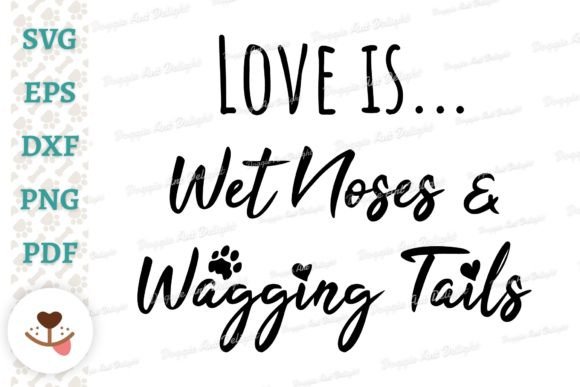
Love is Wet Noses and Wagging Tails Svg
Design Considerations for Specific Uses
Small Hoop Sizes: While the design is adaptable, it may require careful scaling for small hoops. Testing on scrap fabric is essential to ensure the text doesn’t get lost or distorted.
Textured Fabrics: The design works best on smooth surfaces like cotton or linen. Textured fabrics might cause the embroidery to look uneven or lose detail, especially in areas with fine lettering.
Dark Fabric: Dark backgrounds can make the text less visible unless the thread color is chosen carefully. Light-colored threads or high-contrast colors like white or yellow will enhance readability.
Stretchy or Thin Fabric: These materials can stretch or distort the design during stitching. Using a proper stabilizer is crucial to maintain shape and stitch integrity.
Curved Surfaces: The design is suitable for curved surfaces like caps or aprons, but the text placement should be adjusted to avoid distortion. Testing on a mockup or sample is recommended before full production.
Practical Designer Notes
- Test on Scrap Fabric: Always test the design on a piece of scrap fabric before committing to a final product.
- Check Thread Color Contrast: Ensure the thread color provides enough contrast against the background fabric.
- Review Stitch Density: Adjust stitch density where necessary to prevent overcrowding or sparse stitching.
- Confirm Hoop Size: Choose a hoop size that allows the design to fit comfortably without stretching.
- Inspect Small Details: Pay attention to tiny lettering and decorative accents to ensure they are clear and well-defined.
- Test in Black and White Mockups: This helps identify any potential issues with visibility or layout.
- Use Proper Stabilizer: Especially important for stretchy or thin fabrics to maintain stitch quality.
- Check Licensing: Confirm whether the design is licensed for commercial use before selling finished products or digital files.